Guide
What is freight forwarding?
If you are moving goods across a border for the first time, the vocabulary alone can be daunting. This guide explains what a freight forwarder actually does, how the modes compare, which documents you need and how a quote is built up.
The short answer
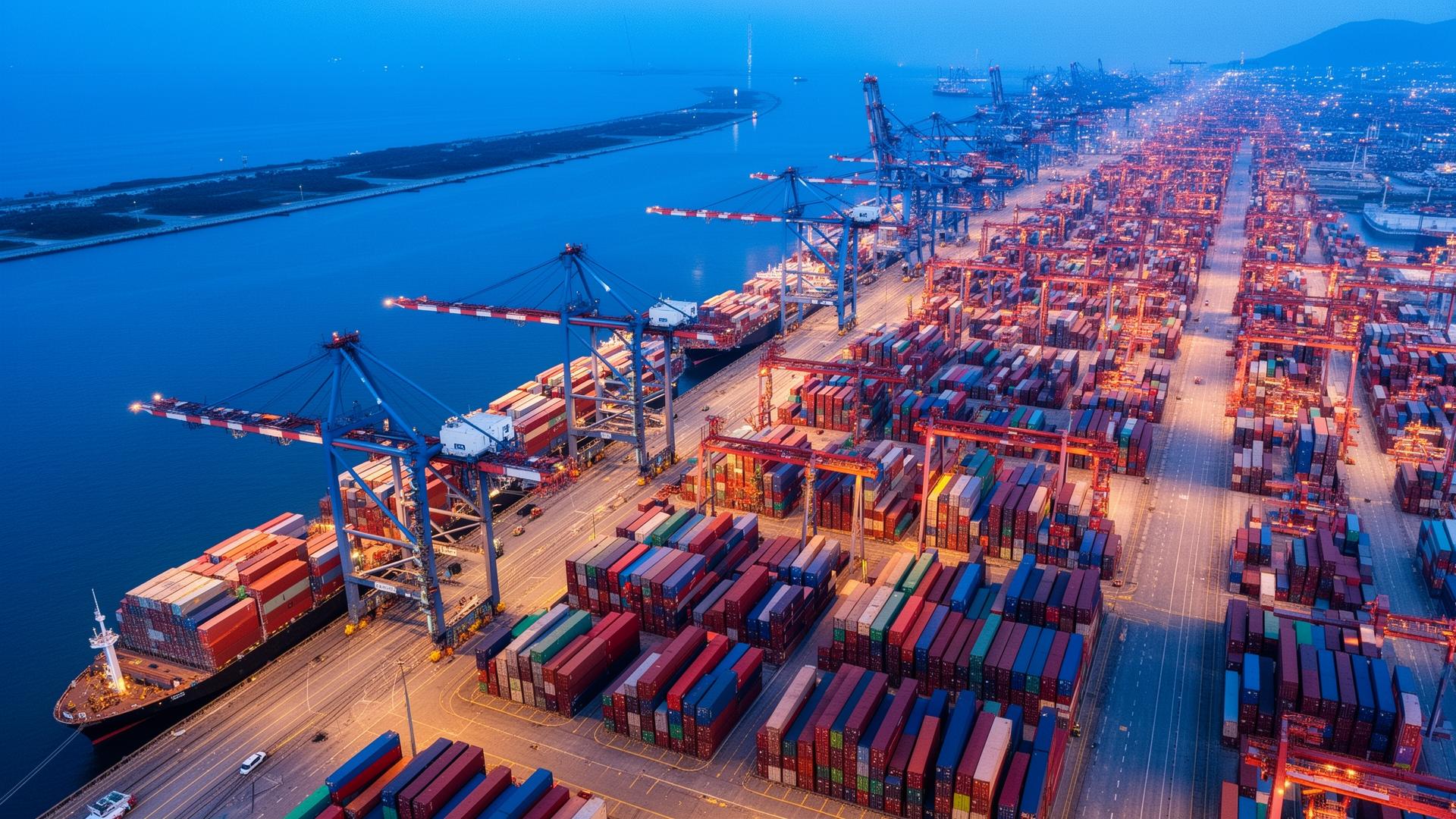
A freight forwarder arranges the movement of your cargo from origin to destination on your behalf. Forwarders usually do not own the ships, aircraft or trucks — they buy space from carriers, combine it with customs clearance, warehousing and inland transport, and take responsibility for the shipment as a single coordinated journey.
In practice that means one point of contact instead of five: booking, documentation, compliance, tracking, exception handling and invoicing all run through the forwarder.
Choosing a mode
| Mode | Typical transit | Best for |
|---|---|---|
| Ocean freight | 18–40 days | Large volumes, non-urgent cargo, lowest cost per kgFCL for full containers, LCL when you don't fill one. |
| Air freight | 1–7 days | High-value, perishable or time-critical shipmentsCharged on chargeable weight — volume often beats actual weight. |
| Road & trucking | 1–10 days | Regional and cross-border moves, first and last mileFTL or LTL, plus drayage between port and warehouse. |
Documents you will need
Commercial invoice
Value, terms of sale and parties — the basis of customs valuation.
Packing list
Piece count, weights and dimensions for handling and inspection.
Bill of lading / air waybill
Contract of carriage and, for an original B/L, title to the goods.
Certificate of origin
Where goods were produced — drives preferential duty rates.
Customs declaration
HS classification, duties and taxes filed with the authority.
How a quote is built
Origin charges
Pickup, export handling, documentation and terminal fees.
Main carriage
Ocean, air or road freight rate for the leg itself.
Destination charges
Terminal handling, delivery order, drayage, unloading.
Duties & taxes
Calculated from HS code, customs value and origin.
Surcharges
Fuel, currency, peak season, congestion and demurrage.
Incoterms in one minute
Incoterms decide where the seller's responsibility ends and yours begins. EXW puts almost everything on the buyer. FOB hands over once goods are on board at origin. CIF includes main carriage and insurance to the destination port, but not customs or delivery. DDP means the seller delivers duty paid to your door.
Getting this wrong is the most common cause of surprise charges, so agree the term in writing before booking.
Have a shipment in mind?
Send us origin, destination, commodity and timeline. We'll come back with a tailored proposal within one business day.
Talk to an expert